Posted in Chapter 3, Music & Sound Design, tagged Ann Scibelli, Foley Artist, Foley Effects, Gary Hecker, Hunger Games, Jack Foley, Lon Bender, Los Angeles Times, Nerses Gezalyan, Rene Clair, Spartacus, Stanley Kubrick on November 27, 2013|
2 Comments »
 There are few things more fun to watch in the filmmaking process than observing a skilled foley artist at work. As we explore the various elements that make up the tools at the disposal of the sound designer, foley effects can be among the most expressive and vital components of the contemporary sound mix. The history of this type of sound effect is another enlightening window into the development of communicative techniques in motion pictures, going back to the powerfully inventive sound mixes of the films of director René Clair (such as Le Million, À Nous la Liberté, and Under the Rooftops of Paris) and to the source of this title, sound innovator Jack Foley, whose legendary boots and keychain were the hidden secrets of many of the most famous walks in Westerns, and whose work on his final film, Stanley Kubrick’s Spartacus, was transformative.
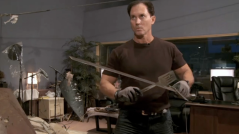
For a brief introduction to the craft of foley artists, this Los Angeles Times short is excellent. There are also two revealing portraits available that highlight the work of foley artist Gary Hecker (and his mixer Nerses Gezalyan) – this one that starts with his work on Ridley Scott’s Robin Hood (with sound design by Ann Scibelli) and breaks down the elements of a sound effect mix very well – and an even more inspiring piece produced by the LA Times for their Working Hollywood series, in which Hecker demonstrates exceptional foley work for Hunger Games (with sound design by Lon Bender) and the creation of a wolf growl for Twilight: New Moon that is quite jaw-dropping.
I’d like to add thanks to Frank Baker for pointing out the LATimes piece on Gary Hecker during our panel presentation at the NCTE Convention in Boston; it was a perfect complement to the other review materials for Moving Images Chapter 3, Sound and Image, that I have been exploring with my media literacy classes this month. Along with my earlier post titled Sinking Into Sound, I also recommend this piece for PBSs Art Beat and this documentary on the history of the integration of recorded sound with motion pictures (included on the second DVD of the Jazz Singer set).
Read Full Post »



 mediateacherdotnet