
Capt. Jean-Luc Picard on The Love Boat (DALL-E image from Vincent Casinghino)
Earlier this summer, my youngest son, a high-schooler, shared some images he had generated using recent versions of apps designed to produce images from text descriptions (including DALL-E 2 and Craiyon). He is quite well-versed in developments in the technoverse and described a variety of angles with recent developments in AI, particularly related to these uses. In the realm of artificial image creation, mediateacher.net has discussed The Uncanny Valley and other topics; meanwhile, the generation of artificial content — from image creation to deepfakes to audio impersonation continues to get slipperier and harder to spot.
 In our work related to media literacy, we constantly examine questions related to authenticity, truth, origin, authorship, and other factors of media messages. Artificially generated images, sounds, text, and other media creations that continue to emerge in the communicative landscapes of digital media will continue to present moving targets for media literacy. The magazine Wired offers the page The Artificial Intelligence Database to track articles and developments in this arena. Recently, the article We Need to Talk about How Good A.I. is Getting by Kevin Roose appeared in the New York Times, asking questions like how good is A.I. getting at completing advanced tasks or “will it take my job?” or “what exactly is art (or other creative products) generated by programs and computers?”
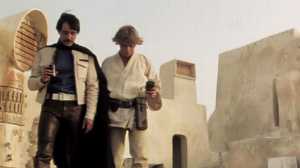
I gave the info for the first image, but are there any guesses as to the second image? Add a comment! In a little while, I’ll divulge the info for the DALL-E image generated from my son’s prompt.
 What is going to happen to the experience of going to the movies? Over the course of the global spread Covid-19, among the areas of human behavior most affected by the pandemic have been in the venues of the performance arts and the cinema. Already, impacts of streaming services, home viewing, and related shifts in moving image culture had been causing widespread questions about the future of the experience of moviegoing through large screens in a shared, public venue. There have been many analyses and editorials on the
  In this piece, Douthat investigates this question in a lively essay that concludes with some interesting suggestions for improving the current crisis of cinematic moviegoing and the viability and importance of feature films in our culture. Most interestingly for work related to Media Literacy Education is this recommendation: “…Second, an emphasis on making the encounter with great cinema a part of a liberal arts education… at this point, 20th-century cinema is a potential bridge backward for 21st-century young people, a connection point to the older art forms that shaped The Movies as they were. And for institutions, old or new, that care about excellence and greatness, emphasizing the best of cinema is an alternative to a frantic rush for relevance that characterizes a lot of academic pop-cultural engagement at the moment.”
 Related to the work being done by Media Literacy Educators across the country, this can be seen as quite a message about the importance of our mission, a call to renewal and reinvigoration and action, and a strong point of reflection on the key role of motion picture arts as communicative vehicles to understand, articulate, and share our experiences and expressions of the world.

 mediateacherdotnet