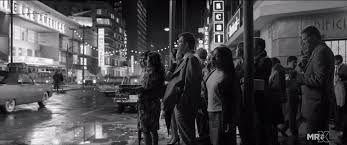
Recently, Calum Marsh authored an article in the New York Times titled “It’s a Visual Effects Extravaganza, but There’s Not an Explosion in Sight.” This article explores particular types of VFX effects work designed to be invisible to the viewer and the lengths of “crafting deception” in current moviemaking, using such examples as Alfonso Cuaron’s Roma and Guillermo Del Toro’s Nightmare Alley, along with CGI work done even to change actors’ performances (and that cannot be cited by name because of nondisclosure agreements). Which then begins to lead us down the thorny and barely-explored paths of AI.
 In earlier posts, mediateacher.net featured conversations with award-winning VFX supervisor Greg Butler, who was one of the wizards behind a groundbreaking and powerfully breathtaking example of invisible VFX: 1917. Moreover, from the very beginning of motion picture history (which is particularly explored in Chapter 2 of Moving Images), we learn that the initial developments of using moving images to delight and entertain through deception began in significant part through the work of an actual magician, Georges Méliès.
The work by Méliès and other early innovators (check out the set in G.A. Smith’s The Kiss in the Tunnel or those matte effects and dummy in The Great Train Robbery) commenced a journey in which creators of all kinds have worked to craft worlds that push the limits of what viewers can accept and believe in the worlds they experience on the screen, from backdrops to matte shots to art direction to makeup and costumes to all the myriad crafts that are used in film production and post-production. 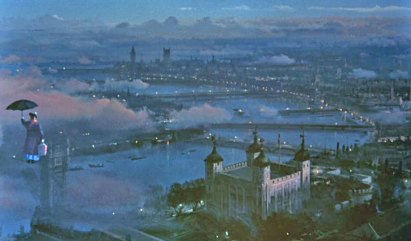 A particular arena in which parallels can be drawn to what is described in the article by Calum Marsh is explored in such books as The Invisible Art by Mark Cotta Vaz and Craig Barron or The Art of the Hollywood Backdrop, which investigate graphic illusions created by artists in Hollywood across many years of fabricating visuals that come to life through the power of moving images.
 What is going to happen to the experience of going to the movies? Over the course of the global spread Covid-19, among the areas of human behavior most affected by the pandemic have been in the venues of the performance arts and the cinema. Already, impacts of streaming services, home viewing, and related shifts in moving image culture had been causing widespread questions about the future of the experience of moviegoing through large screens in a shared, public venue. There have been many analyses and editorials on the
  In this piece, Douthat investigates this question in a lively essay that concludes with some interesting suggestions for improving the current crisis of cinematic moviegoing and the viability and importance of feature films in our culture. Most interestingly for work related to Media Literacy Education is this recommendation: “…Second, an emphasis on making the encounter with great cinema a part of a liberal arts education… at this point, 20th-century cinema is a potential bridge backward for 21st-century young people, a connection point to the older art forms that shaped The Movies as they were. And for institutions, old or new, that care about excellence and greatness, emphasizing the best of cinema is an alternative to a frantic rush for relevance that characterizes a lot of academic pop-cultural engagement at the moment.”
 Related to the work being done by Media Literacy Educators across the country, this can be seen as quite a message about the importance of our mission, a call to renewal and reinvigoration and action, and a strong point of reflection on the key role of motion picture arts as communicative vehicles to understand, articulate, and share our experiences and expressions of the world.
  mediateacherdotnet