 Among the nominees at the upcoming 2014 Academy Awards ceremony, Dirty Wars, directed by Rick Rowley and featuring journalist Jeremy Scahill, was co-written and co-edited by David Riker, who is the featured Close-Up interviewee of Chapter 5 of Moving Images. The issues raised when investigating this movie and Mr. Riker’s work in it are highly compelling when examining the themes and objectives of Chapters 5 (Studio Production and Personal Expression) and 6 (Recording and Presenting Reality) of Moving Images.
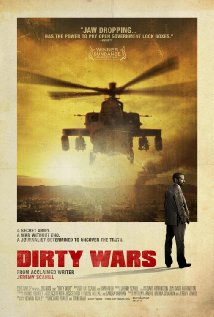 In these chapters of Moving Images, questions about media formats and communicative methods are scrutinized, as well as a wide range of issues familiar to non-fiction filmmakers and writers, including authenticity, rhetorical and narrative structures, ethical considerations, and platforms. Mr. Riker, whose work began in documentary but then shifted to fiction, is a seasoned screenwriter (including The Girl starring Abbie Cornish, Sleep Dealer, and the award-winning La Ciudad), and he brought his dual perspectives of documentary photography and fiction screenwriting to his work with Scahill and Rowley, saying, “Dirty Wars was an interesting balance because while it is absolutely a documentary… to really tell the story the three of us were frequently looking to the tradition of fiction filmmaking as a way of structuring Jeremy’s research so that it conveys some of the tension and the drama that … was part of their experience.” I highly recommend this interview with David Riker from the blog Truth Scout.
On the Academy Awards web site, you can check out clips and information on all the nominees – for Documentary Feature, the others are 20 Feet from Stardom, The Act of Killing, Cutie and the Boxer, and The Square.




 mediateacherdotnet