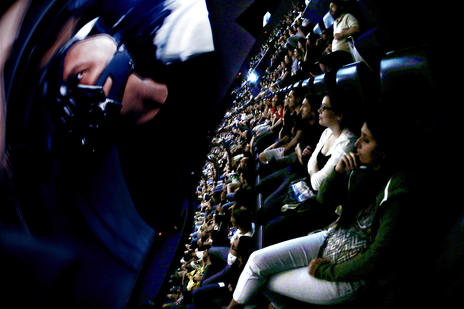
 For decades, debates have raged about the relationships of media and violence. For discussion in media literacy or psychology classrooms, I would like to point out a highly useful and relevant new op-ed in the New York Times by a group of physicians who established an initiative titled Broadcast Thought to provide expertise on depictions of mental health matters in entertainment and news media. Doctors H. Eric Bender, Praveen Kambam, and Vasilis Pozios highlight recent scholarship that indicates that the most common popular opinions on violence and media – essentially, that watching lots of violence in entertainment does not lead to being violent in real life, as reflected in recent comments by Mark Millar, creator of the Kick-Ass franchise, about the widely scrutinized movie Kick-Ass 2 – are not supported by research or sound reasoning. The authors state, “There is now consensus that exposure to media violence is linked to actual violent behavior,” and they provide examples of case studies that show exposure to violent imagery to be a strong risk factor in demonstrating violent behavior. Meanwhile, much of the critical reaction to Kick-Ass 2 can be summed up in the opening quote from Manohla Dargis’s review of the movie: “There isn’t anything good to say about Kick-Ass 2, the even more witless, mirthless follow-up to Kick-Ass.” Or listen to Cinefantastique.
Earlier, I wrote about Tackling Difficult Topics Through the Lens of Media Literacy, and this new op-ed piece also made me think of a unit in one of my media literacy and production classes, linked to Chapter 5 of Moving Images, in which students investigate questions of who creates media? / why do they create media? / how is media created? and how do messages reach audiences? For this investigative unit, we look at the FrontLine pieces Digital Nation and The Merchants of Cool, as well as other sources. As one component of their work, students have a task that implicates them more fully in the learning objective: They must work in collaborative groups to develop a proposal for a documentary, television series, or interactive moving image-based website that explores a selected theme or issues from one of these research pieces. Each student must individually develop one part of the portfolio that will be presented to the class in a pitch session. Among topics explored have been ones including issues related to teens (societal roles, driving, peer pressures, etc.), various impacts of digital communications, and violence and the media.

Media antidotes to glorified or flippant depiction of violence: contemporary Ken Loach films such as “The Angel’s Share” and “Sweet Sixteen”
In one example of a pitch related to media depictions of violence, four students presented examples of how there is “violence in the media” and the presentation initiated by the first two students generally consisted of showing YouTube links to “Jackass”-type viral videos. In the second half of the pitch by the other two members, the concept itself became less vague and unconvincing to their peers as one group member showed a prezi with research and graphs depicting the influence and pervasiveness of violence in the media, as well as a resource list including the documentaries The Mean World Syndrome and The Bro Code. The last group member showed a storyboard for the opening of their proposed piece in which they would dramatize a violent incident in a school linked to various popular media, including a current hit song. Meanwhile, it is what can happen next that is vital to consider: The most important parts of the learning experience can be the follow-up discussions and further inquiry from research and the investigation of reliable, competent resources such as those presented in the “Does Media Violence Lead to the Real Thing?” op-ed.



 mediateacherdotnet