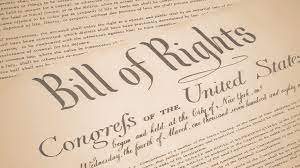
 Numerous mediateacher posts have explored media literacy and its integral relationship to social studies in contemporary education, including Media Manipulation: An Ongoing Story, Media Literacy and Social Studies: Clash at Lincoln Memorial, Media Literacy and Social Studies: Portraits of America, and Infekted Minds. Currently, our tumultuous times bring us what seem to be daily examples of media messages intersecting with how events are actually playing out and the ways in which we process them. Here is a striking example of a video essay from the op-ed pages of the New York Times: The Bill of Rights, Revised. This can serve as a resource for classroom debate along with linked viewpoints and journalistic reporting from a range of online, print, video, and audio media resources.
Archive for the ‘Chapter 6’ Category
MLE Lesson Resources
Posted in Chapter 3, Chapter 5, Chapter 6, Media Literacy, Resources, Social Studies, tagged Above the Noise, KQED Education, Media Literacy Certification, MLE Lesson Plan, PBS Learning Media, STEM, The Lowdown on September 10, 2019| Leave a Comment »
 As a new school year begins, here is a quick update on one of the most comprehensive and dynamic resource hubs for media literacy lessons and videos designed for elementary, middle, and high school learners: KQED Education. In their “For Classrooms” section, teachers can find lesson plans for Humanities or STEM units, or Elementary media literacy education. For professional development, educators are also encouraged to check out their coursework in KQED Teach and PBS Media Literacy Educators Certification. Some might want to go straight to the topical videos produced by PBS Digital Studios, check out the Above the Noise channel (or its previous incarnation, The Lowdown, with stories from 2018 and before, organized by theme). And for those looking for an overall national resource from public media, here is the PBS Learning Media page, from which one can also search for links to local stations and related resources.
Update 2020: An election year is here, and a special Youth Media Challenge has been set up for educators and students. Check it out!
 mediateacherdotnet