 The necessity for media literate citizens and creators continues to evolve at an astounding pace. Most recently, the intensely developing story of the accusations against iconic comedian Bill Cosby has played out through a highly complex web of media platforms: scant coverage of allegations dating from about a decade ago; recent live performances from the comedian Hannibal Buress that were then uploaded to streaming video platforms; snowballing revelations through social media by victims of Cosby’s alleged abuse; and a major multimedia report in New York magazine that utilizes Internet interactivity to explore accusations against the performer by many women whose corroborative evidence has shocked people from across the globe. The resources stemming from the New York article and more sources will serve as invaluable materials for social studies coursework, media literacy analysis, and a wide variety of evaluation of American values related to the legal system, sociology, women’s rights, and psychology in the months and years to come. Finally, as direct primary resources that utilize digital media to express ideas, the streaming video testimonials set up to accompany the article by Noreen Malone and Amanda Demme are examples of profound uses of direct interviews to enhance stories already told through print and images.
Archive for 2015
Teaching Center!
Posted in Chapter 5, Chapter 6, Media Literacy, tagged Key, Key & Peele, Peele, Sports Center Parody, Teaching Center on July 30, 2015| Leave a Comment »
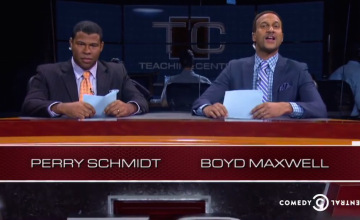
(And, yes, if you want a lesson in nailing every nuance, gesture, cut, transition, and graphic in a parody — look no further. Key & Peele continue to hone their genius at short-form filmmaking with their provocative mix of social commentary and media savvy.)
что именно этот фильм
Posted in Chapter 5, Media Literacy, Social Studies, tagged Aleksandr Kryukov, Andrew Roth, Kreosan, Luhansk, New York Times, Pavel Pavlov, Russia, Ukraine on July 18, 2015| 1 Comment »
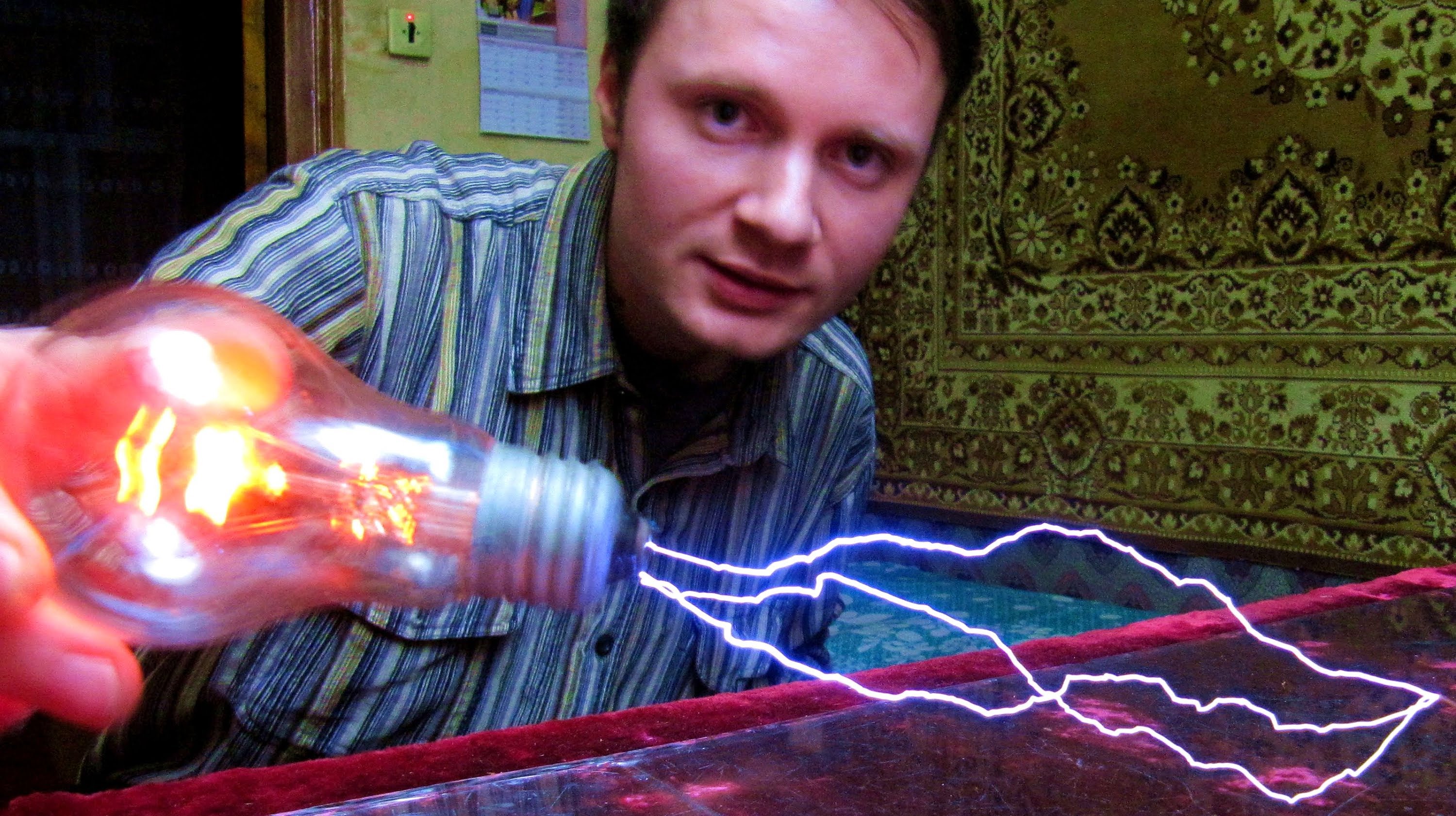 Or, “what exactly is that movie?” – which was the title to an earlier mediateacher.net post, so we’ll be returning to that phrase again today to explore the ever-evolving 21st century media creation landscape. (At least that’s what Google translate gave me, so it’s probably a ludicrous translation. If appropriate, Russian readers can send along a good translation and I’ll add it to this post. See: that will be 21st century collaborative media in action.) (O.K., here’s the P.S.: О чём этот фильм is a better translation, I am told. I’ll take your word for it, Marta — Thanks!)
Today, we will be visiting the groundbreaking media event known as Kreosan. Two young men from war-torn Luhansk, Ukraine, Pavel Pavlov and Aleksandr Kryukov, began conducting home science experiments and posting them to their YouTube channel. They started to attract a following, and the political and historical contexts of their work provide powerful examples of the ways in which the creation and dissemination of media messages produce new outlets for communication and expression as well as the sharing of information, discoveries, and perspectives across cultures. A part of that process is also the written expression of ideas through comments by followers and responses by the creators themselves, who have acknowledged the effect of feedback on their output.
 For an introduction to their work, please check out this Saturday Profile piece by Andrew Roth for the New York Times. There is a video to watch as well as a print article. Like many media literacy stories today, this is a richly cross-curricular tale, from the geopolitical situation between Ukraine and Russia for social studies classes to their experiments (such as with the magnetron or with lightning) for science and tech ed coursework. Watch out for that ray gun!
Fair Use Guidelines and Resources
Posted in Media Literacy, Resources, tagged Center for Media & Social Impact, College Art Association, Copyright Guidelines, Mellon Foundation on June 30, 2015| Leave a Comment »
 If you a learner or educator looking for thorough information on guidelines for fair use of media in educational contexts, this page on the Center for Media & Social Impact site has a wide range of resources to explore, including copyright and legal permissions. You can also go directly to Code of Best Practices in Fair Use for the Visual Arts (funded by the Mellon Foundation for the College Art Association).
Learning to Work through Media Literacy
Posted in Chapter 8, Media Literacy, tagged Adam Davidson, Film Careers, Planet Money, The Production Process on June 27, 2015| Leave a Comment »

By Andrew Rae for The New York Times
Chapter 8 of Moving Images — The Production Process — presents ways in which people need to work together effectively to make movies. In fact, students learn this throughout the book, by investigating media, studying film- making processes, writing for different contexts and platforms, and creating movies of all kinds. Of course, this process is also a business, which is discussed at various junctures in the book and has been addressed in earlier blog posts here.
A recent article by Adam Davidson (a host of NPR’s Planet Money) for the New York Times highlights the tremendous value of examining the intricate processes of moviemaking, which reveals ways in which The Production Process can help us to figure out how a successful workplace functions. In particular, Davidson highlights how lessons from the world of moviemaking can be instructive in enhancing new trends in the contemporary workplace. I highly recommend “What Hollywood Can Teach Us About the Future of Work.”
 mediateacherdotnet