 In an earlier post, I discussed ways in which student work can document history (often unconsciously) and some projects may become messages that resonate as testimonials to their time, place, and people.
In addition, there have been many examples in these pages of how PSAs are strong vehicles for video production tasks in school communities. With the onset of a global pandemic, our schools have had to confront some of the most distinct challenges faced by educators in a multitude of ways, and here is one example of a series of PSAs made to share with students as they returned to school at the height of the pandemic, before any vaccines were available. Undoubtedly, this piece and others created during these months and years provide particular testimonials of these contexts in a unique time and place for American public schools.
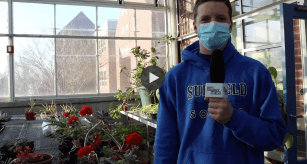
 Postscript: In early 2022, as schools began to shift to ceasing mask restrictions and shifting to fully in-person classroom instruction, the advanced video production class I teach quickly created (two-day turnaround time, in response to a central administration request) a PSA that could be used in all schools. Here is the video that a team of four of my students produced.
 Non-fiction projects are core elements to the work in
  This week, one of the most historically consequential examples of media creation in our time was rightfully noted as the initiating factor in the conviction rendered for the case of the murder of George Floyd. Darnella Frazier was one of the bystanders at the scene of George Floyd’s death, and soon after she saw what was happening, she
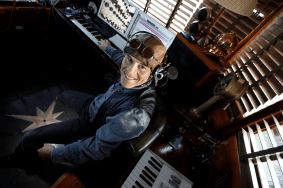 In the ever-evolving landscapes of education for the era of digital-streaming-and-all-in-between with music, sound design, and current audio evolutions, here are some pieces featuring sound pioneer Thomas Dolby and his current work and perspectives on sound in media — a
 mediateacherdotnet