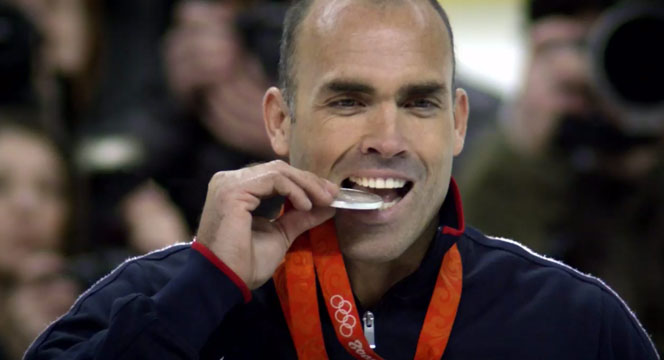
 As a follow-up to the previous post about the Sochi Winter Olympics and media literacy — from the sporting events to the biographical portraits to the commercials — here is a follow-up that can provide more food for thought about motion picture communicative forms. In particular, what are the ways in which sequences of images are communicating to us? This is one of the main topics of Chapter 5 of Moving Images: the development of an understanding of narrative and non-narrative forms, and an articulation of types of non-narrative communication structures.
Taking that challenging topic as our point of focus, here are some recent examples from commercials that can be used to illustrate this concept. If you have watched much American television recently, you may have seen some of these ads. Here we go!
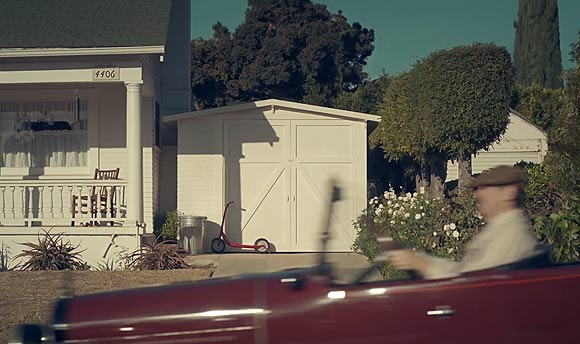 For movie sequences that are non-narrative in structure — which are those that “do not contain a narrative of events linked by cause and effect stemming from continuity of time and space” — in Chapter 5 of Moving Images four types of communication are discussed. These methods are all defined in the glossary in Chapter 5 of Moving Images (pages 203-205). For an example of a Categorical sequence (“Non-narrative films or sequences whose structure is based around images grouped into categories,” p. 203), check out the commercial Garages for the Cadillac 2014 CTS Sedan.
For an Associational sequence (“..films or sequences in which juxtaposed shots are linked by themes and shared references in order to evoke emotions or make a statement about the topic of the motion picture” p. 203), this spot by McDonald’s produced to run during the current Olympics is quite apt: Olympics: Celebrate with a Bite. Interestingly, our Chapter 3 Close-Up interviewee, advertising copywriter Kevin Goff, discussed such an approach for an ad in our interview for Chapter 3 of Moving Images.
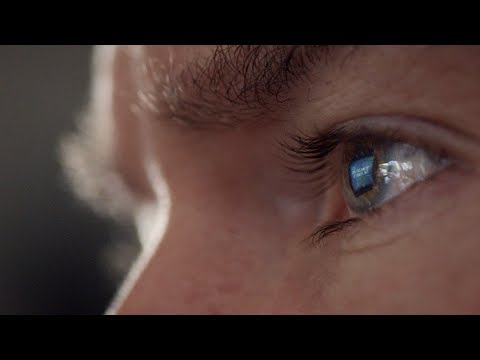 Moving on to Rhetorical, which may seem to be more difficult to find in a commercial due to its potentially more complex goals — (“non-narrative motion pictures that present evidence to support or debate their premises, common to documentaries because of their organized presentation and analysis of a topic,” p. 204) — examine Microsoft’s commercial Empowering that debuted during the Superbowl.
For the last category of Abstract non-narrative sequences, this commercial directed by Jonathan Glazer takes some cues from that category: Paint for Sony Bravia. For a pure example of abstract filmmaking, Energie! by Thorsten Fleisch is a contemporary example of a short that won a number of experimental film awards in festivals around the world. The director describes it as “an uncontrolled high voltage discharge of 30,000 volts exposed on multiple sheets of photographic paper which are then arranged in time to create new visual systems of electron organization.” Or, of course, you can just turn to Disney’s Fantasia or masters like Norman McLaren. Finally, here is a recent candidate for discussion: the video for the song Buffalo by Gaz Coombes, edited by Gaz and brother Charly Coombes.
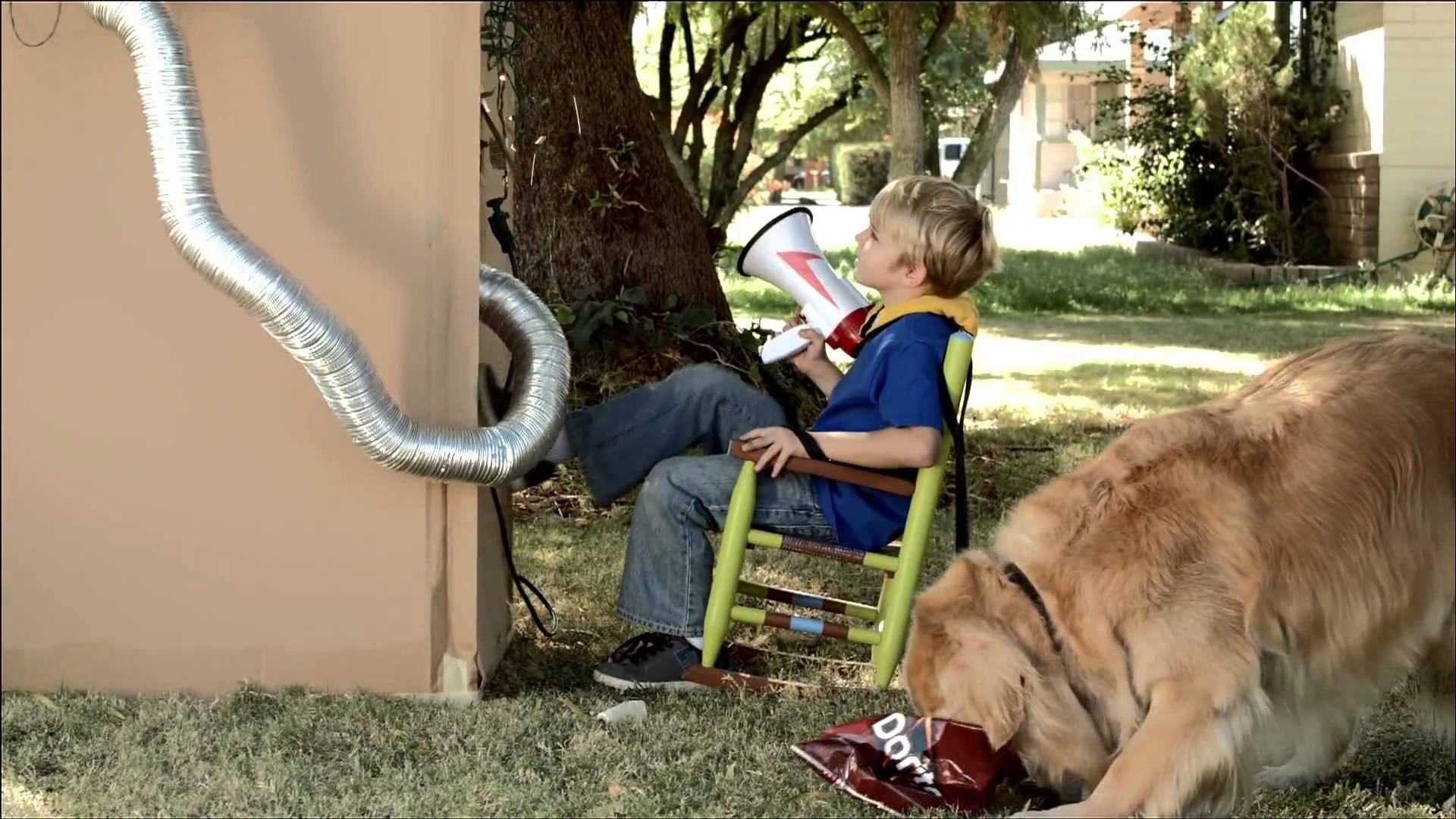 As a final note, for an example of narrative filmmaking in commercials, a particularly strong candidate in a recent commercial was the winner of the Doritos Superbowl competition, Time Machine (directed by Ryan Thomas Andersen and co-written by Raj Suri).




 mediateacherdotnet